
How Orlando, Florida Homeowners Can Make the Most of Their Solar Potential
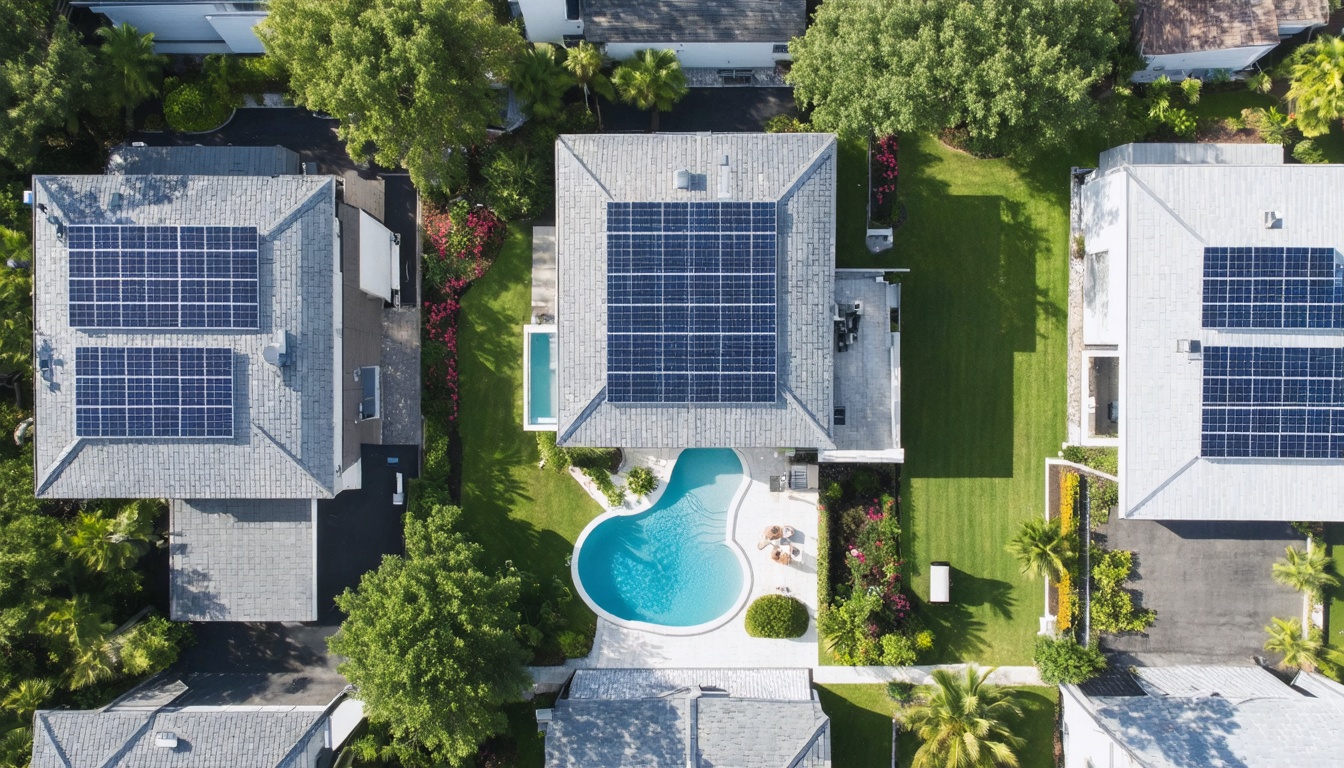
Homeowners in Orlando, Florida, have the opportunity to leverage solar energy due to the region's high levels of sunlight and various local incentives for solar adoption. Implementing solar technology can lead to reduced energy costs, increased property values, and lower carbon footprints, making it a practical consideration for many residents. However, several factors affect the effectiveness and return on investment of solar installations. Understanding the local climate is essential when evaluating solar energy potential. Orlando enjoys a warm, sunny climate, which typically provides favorable conditions for solar energy generation. The efficiency of solar panels can be influenced by weather patterns and shading, so homeowners should consider the placement of panels to maximize exposure to sunlight. In addition, local government programs and financial incentives play a critical role in the decision-making process. These can include tax credits, rebates, and financing options that may help offset the initial costs of installation. Homeowners should investigate current offerings and evaluate how these can affect the overall cost and benefits of installing solar panels. Moreover, the timing of solar adoption is important. Energy rates, regulatory changes, and advancements in solar technology can significantly impact the potential savings and efficiency of solar systems. It is advisable for homeowners to conduct thorough research and possibly seek advice from solar energy experts to identify the best time for implementation. Overall, while Orlando presents significant advantages for solar energy adoption, successful installation and utilization depend on careful consideration of various factors, including environmental conditions, available incentives, and timing.
Orlando’s Solar Potential and Weather Considerations
Orlando has favorable conditions for solar energy production, with an average of approximately 233 sunny days and over 5.5 peak sun hours each day throughout the year. These climatic factors are conducive to solar installations, particularly during the winter months, when clear skies and moderate temperatures are common.
In contrast, the summer season experiences longer daylight, though it is often accompanied by afternoon storms that typically occur after peak solar generation periods.
Solar energy systems installed in Orlando adhere to the hurricane resistance standards mandated by the Florida Utilities Commission (OUC). This adherence is crucial due to the region's vulnerability to severe weather conditions, ensuring that solar systems can endure potential impacts from hurricanes and storms.
Efficient energy management, particularly in regulating air conditioning and overall energy consumption, is essential for maximizing energy efficiency.
The deployment of solar panels facilitates the generation of renewable energy, contributing to community energy needs and supporting public safety efforts while potentially providing cost savings for homeowners.
For more specific information concerning solar energy developments and the installation process, interested individuals or organizations are encouraged to https://solarpanelsorlandoflorida.com/ for further details.
Financial Benefits and Incentives for Homeowners
Installing solar panels on residential properties can offer several financial benefits and incentives that help mitigate the upfront costs of transitioning to renewable energy. In Orlando, homeowners have access to federal incentives, such as a 30% solar tax credit, which allows them to claim a percentage of the installation costs on their federal taxes.
Additionally, Florida offers a complete sales tax exemption on solar energy systems, further contributing to reduced initial expenses for both residential and commercial solar installations.
Local utility providers, including the Orlando Utilities Commission (OUC) and Duke Energy, also provide utility rebates that help to decrease the overall installation costs. These financial incentives can make adopting solar energy more accessible for homeowners.
Furthermore, over time, the use of solar panels can lead to significant savings on monthly electricity bills, especially during the hotter months when air conditioning usage peaks. This is particularly relevant for households with high energy consumption patterns.
The broader adoption of solar energy can also have positive implications for local energy costs, potentially aiding in efforts to promote affordable housing and enhance community resilience.
The financial incentives currently available in Orlando create a favorable context for homeowners contemplating the installation of solar energy systems as a practical solution for reducing energy expenses.
Design and Installation Process for Solar Systems
When assessing the implementation of solar energy systems for residential use, it is essential to comprehend the structured design and installation process. In Orlando, this procedure consists of several distinct phases, each characterized by its own duration and requirements.
The initial phase is the design stage, which emphasizes tailoring the solar system to fit both local environmental factors and the specific energy demands of the household. This phase generally takes between one to two weeks and involves evaluating elements such as sunlight availability and the household’s energy usage patterns to enhance system efficiency.
Subsequent to the design stage, the permitting phase is essential to ensure adherence to local regulations and safety protocols. This segment typically spans two to three weeks and requires the acquisition of necessary permits from pertinent authorities.
With the required permits in hand, the installation phase can commence. Licensed contractors who focus on either residential or commercial solar installations usually complete the setup within one to two days. This estimated duration is consistent, even when accounting for weather-related factors prevalent in the region, such as cloudy conditions or precipitation.
Overall, from the signing of the contract to the operational phase of the solar system, homeowners should prepare for a total timeline of approximately eight to ten weeks.
For additional information and professional guidance, consulting with experts in the solar industry or the Orlando Utilities Commission (OUC) is recommended.
Maintenance Strategies for Optimal Performance
Solar panels require a maintenance routine to ensure optimal performance and protect the investment made in them. In the humid and partly cloudy climate of Orlando, it is advisable to clean the panels after the pollen season and following significant afternoon storms. This routine can help maintain efficient energy output by removing debris that may obstruct sunlight.
Furthermore, trimming surrounding vegetation on a seasonal basis can prevent shading from nearby trees, which can negatively impact the efficiency of both residential and commercial solar systems.
Regular monitoring of the solar energy system, including checking for secure connections, is also crucial for safety, particularly in preparation for severe weather events common in the Bay area.
Temperature management is another important factor, especially during the peak heat of summer when air conditioning usage tends to rise.
By addressing these maintenance considerations, property owners can lower energy costs, satisfy energy demands, and support the broader initiative of adopting clean energy practices in Orlando.
Community Programs and Future Outlook
Engagement with community programs offers significant advantages for homeowners in Orlando who are considering the adoption of solar energy.
The Cooperative Solar Purchasing Program facilitates group discounts for the installation of solar panels, potentially leading to financial savings for participants. Moreover, this initiative keeps participants informed about local conditions, such as weather patterns and cloud cover, which can affect solar energy generation.
In addition, the Community Solar program in Orlando provides residents the opportunity to utilize renewable energy without the need for onsite installation. This model enhances accessibility to clean energy systems for both residential and commercial stakeholders, thereby promoting broader adoption of sustainable energy practices within the community.
As the Orlando Utilities Commission (OUC) works to improve system technologies, there is a growing focus on enhancing hurricane resilience and exploring affordable housing initiatives.
Such advancements are important for ensuring that renewable energy options remain viable and beneficial for a diverse array of residents in the region. For individuals interested in lowering their energy expenses while meeting their broader energy demands in Florida, exploring these community-oriented programs may offer valuable solutions.
Conclusion
Utilizing solar energy in Orlando can lead to potential long-term savings, an increase in property value, and a reduced carbon footprint. Homeowners have access to various solar system options tailored to their energy needs, as well as incentives offered by federal and state programs that can help offset installation costs. In addition, local community programs may provide further support and resources for those considering solar energy. Regular maintenance of solar systems is essential to ensure optimal performance and longevity. Homeowners should also stay informed about relevant local regulations and policies regarding solar energy, which can affect installation procedures and potential benefits. By adhering to these practices, homeowners can effectively leverage their solar investment and contribute to a more sustainable energy landscape.